About PhaseFood
The tool I couldn't find anywhere
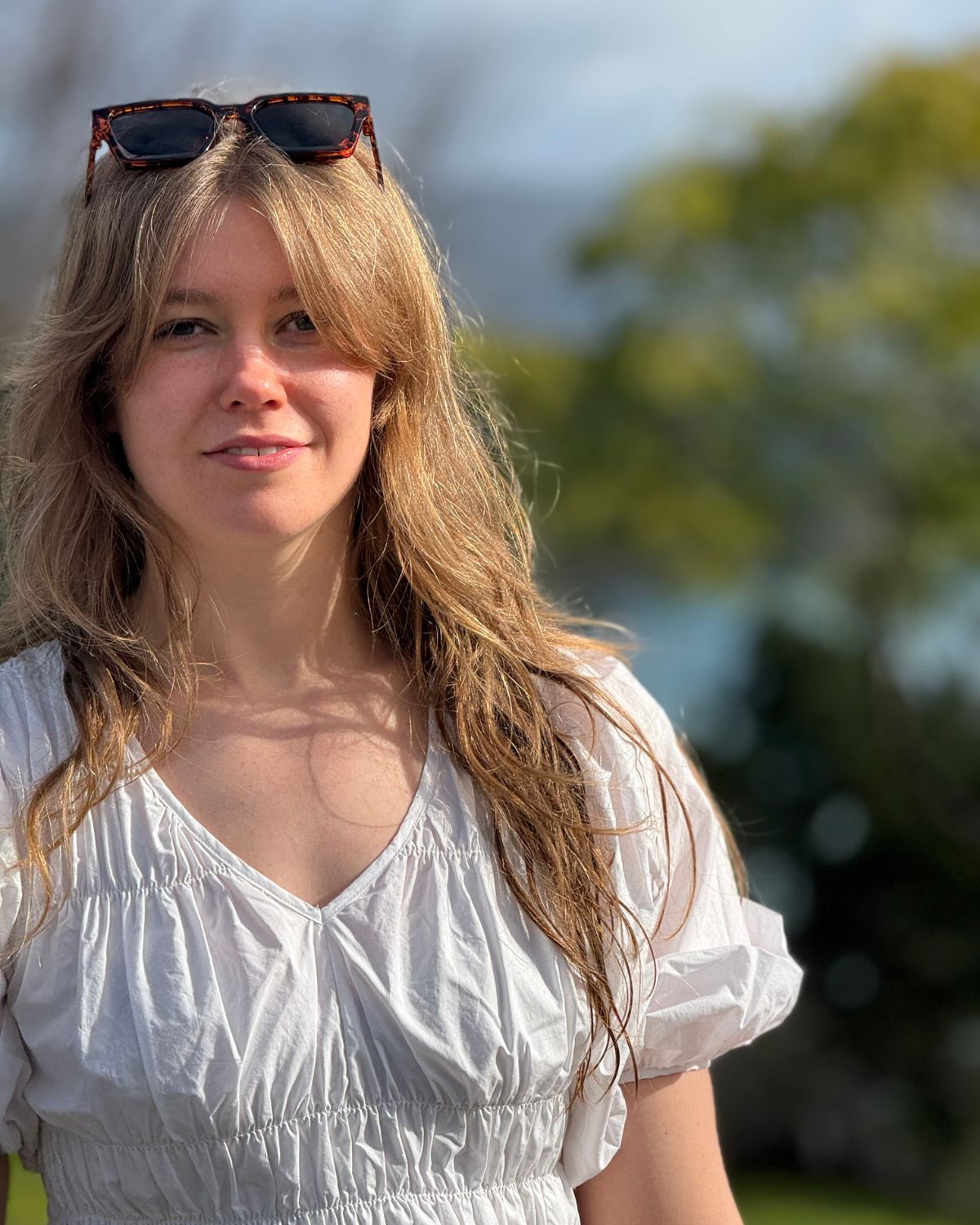
Hi, I'm Lizzy. For six years I've given up half of every Sunday to bulk cooking. Chopping, roasting, portioning out breakfasts and lunches for the week ahead. It's not glamorous, but it's how I survived my busy weeks without living on toast and spaghetti (yum though).
A few years ago I started struggling with random diet issues, food aversions, chronic UTIs and chronic headaches, and my painful periods that had been silent for some time (mostly thanks to contraceptives) came back with a vengeance. I started taking a keen interest in my body, in what eating for my hormones meant, keeping a food diary to understand what was happening to me, and realising that this so called 'healthy diet' I had was actually underpinned with a lot of ultra-processed food. But boooy oh boy, finding recipes that could adapt to my changing needs, work for bulk cooking, taste good and not be made up of 5 million impossible to find (or take out a mortgage to buy) ingredients was IMPOSSIBLE. So I started making them up each week, and my lovely coworkers would always compliment my meals. Oh yeah, it fed my ego nicely to know my bulk cooking never looked like bulk cooking (the secret is building the meal when you eat it and keeping ingredients cooked but separate, just fyi).
As I shifted my diet to mostly whole foods and turned myself into a science experiment, I couldn't believe the intense change in my wellbeing. My chronic headaches and UTIs disappeared, the constant nagging 'eat that bag of chips' voice in my head started to die (huzzah), and I started to feel like my health was in my control. And then I started talking to more women. Turns out most of us are suffering in silence, and if you've gone through menopause or are going through perimenopause/menopause then dayum, ya'll had it even worse, and were being failed even worse by doctors. I couldn't believe how many women were left unsupported.
I tried to build this website first in 2022. I learnt some HTML (whippee) but ahh yeah, that didn't work. My old creative-can't-stand-math brain did not enjoy the coding language I needed to learn to build this, and I didn't have $200,000 to build the site. So I spent a few years investing and building a nest egg so I could one day quit my job to work solely on a business (no, I didn't know at the time it would become this site). With the invention of AI and my nest egg combined, I could quit my job to work full time on this. While AI supported elements of the coding, I used a designer to bring it to life, and luckily my sister also specialises in software and could help ensure the app was just right, alongside a few other friends in IT and software who helped me along the way. Alongside my previous skills working in software and comms, and translating complex research into easy-to-understand content, my first task was to build a research platform to understand whether this site could even be a reality. It helped me find all the peer-reviewed research on women's nutritional health that could be verified. A substantial amount, as it turned out, alongside existing nutrition recommendations, meaning this site could be legitimately helpful to women.
I wanted to build the platform that I had spent over 6 years searching for, one that could actually interact with my needs and build recipes based on my hormonal symptoms. So it's been incredibly fun bringing this to life, but the best part has been the women who have shared their stories with me. Every day I am shocked by how many women remain silent when they are in pain, suffering with depression, anxiety or any number of other issues, because they fear a doctor will tell them it's in their head. While research for women, particularly in the perimenopause and menopause space, is still growing, this app is just one small sliver designed to help you take some level of control over your health.

What makes PhaseFood different from every other recipe site?

Whether you're still getting your period, deep in perimenopause, or well past menopause, your nutritional needs shift. PhaseFood builds recipes around the stage you're actually in, using the latest research on women's health.

Log your symptoms and energy in the wellbeing tracker, and your recipes start to reflect what you've shared. The more you track, the more they adapt to you.

Recipes that scale, store well, and actually fit a weekly cooking routine. Not fiddly one-offs you'll never make twice.

Build a shopping list from your recipes in a tap, then text it to yourself or whoever's doing the grocery run.

Every recipe skips canola, soybean oil and synthetic additives by default. The evidence on seed oils is genuinely mixed, so we err on the side of caution. More on that on the evidence page.

Tell it what you've got and it builds a recipe around it. Less waste, less spending, less staring into the fridge.
Why no seed oils or ultra-processed ingredients?
Seed oils are highly refined and high in omega-6 fatty acids. The research on them is genuinely conflicting, and a lot of it is industry-funded, which makes it hard to read clearly. My take: err on the side of caution and exclude them. As a bonus, this is the easiest way to avoid ultra-processed foods, since almost all of them rely on seed oils.
See the evidenceThis is just the beginning
I'm working on more tools to make bulk cooking easier, more nourishing, and more personal, especially for women. If you have feedback, I genuinely want to hear it.
Send feedback