The evidence behind PhaseFood
Much of the research conflicts with itself, so it is important for women as individuals to determine what actually works for their body, from a baseline of whole foods.
Confidence ratings on individual claims show what's well-supported, what's suggestive, and what's contested.
rated claims
well-supported
suggestive
contested
This isn't medical advice, and for any specific nutrition advice you should consult your GP or a clinical nutritionist.
Read the full introduction
There isn't as much high-quality research on most individual foods as people assume. A lot of what does exist is funded by the people who sell the food. There is no single super food but what is clear in science is that a whole foods diet is the best evidence base we have for good nutrition right now, it's this basis that PhaseFood is built around.
We also believe your body knows things science doesn't. PhaseFood is designed to turn yourself into a science experiment so you can determine which foods allow you to feel and operate at your best, we all have individual reactions to food. You can read more about this on the about page where I discuss my own food journey.
The site draws its nutritional research mostly from Western nutrition science because that's where the peer-reviewed literature is. Older traditions like Ayurvedic medicine, traditional Chinese medicine and indigenous food systems have detailed frameworks for diet and women's bodies that don't show up in PubMed. I truly believe the western science does not hold all the answers but I also think it's important to be clear on the existing limitations of what we know, and what we know is that there is limited evidence not only in nutrition but also for women.
Below are the fundamental pillars the site is built on and the research that backs these, there are also confidence ratings on individual claims showing what's well-supported, what's suggestive, and what's contested.
This isn't medical advice, and for any specific nutrition advice you should consult your GP or a clinical nutritionist.
Cycle-aware eating
Most of the specific phase-by-phase claims you'll see online are mechanistically plausible but unproven.
The pieces that hold up
People who menstruate lose iron monthly. Pairing iron-rich foods (red meat, lentils, spinach, pumpkin seeds) with vitamin C improves non-heme iron absorption. That holds meal by meal; the effect on overall iron status is small.
Resting metabolic rate rises slightly after ovulation, by around 3 to 5 percent, and not in every study. Some people feel it as appetite increases in the days before their period (me, I am a hungry luteal gal).
Some women find magnesium helps with premenstrual bloating, breast tenderness, low mood and menstrual migraine. The American College of Obstetricians and Gynecologists says magnesium supplements may help with the first three, and the American Migraine Foundation notes a controlled trial in which magnesium from day 15 of the cycle helped prevent menstrual migraine. The evidence isn't substantial: the trials are small and mostly decades old, and a 2025 review of 31 nutrition trials found it insufficient for premenstrual mood symptoms. We still lean on magnesium-rich foods (leafy greens, pumpkin seeds, nuts, beans, wholegrains and dark chocolate) because they cost nothing to try, many people's diets provide less magnesium than recommended, and they are good to eat regardless.
A Mediterranean-style diet has been suggested by doctors and dietitians to help with the symptoms of PMOS (the new name for PCOS since 2026) and endometriosis, alongside a whole-food, minimally processed diet, which is the basis of PhaseFood. For PMOS, the 2023 international guideline found that no one diet has been shown to work better than another, and supports a healthy eating pattern you can keep up. Within that, "dietitians frequently recommend the Mediterranean diet and DASH diet" and "choosing whole and minimally processed options", says Johns Hopkins dietitian Melinda Cater, and Dietitians Australia suggests low-GI (slowly digested) carbohydrates that are naturally high in fibre to help manage insulin resistance. For endometriosis, Monash University's Dr Jane Varney and colleagues write that "a Mediterranean diet can be considered" because it is safe and non-restrictive, while advising against cutting out gluten or dairy without a reason. The trials behind this are small, and none of it depends on cycle phase.
The pieces that don't
Most of the specific phase-by-phase prescriptions you'll see online, eat seeds for "estrogen detox," eat cruciferous vegetables to "metabolise estrogen," eat warming foods in luteal, are mechanistically plausible but lack good clinical trials. It's mostly extrapolation from in vitro studies, animal models, or small uncontrolled trials. However, a lack of data doesn't make something wrong it just means we can't say with certainty there is real proof, if it works for you then it works.
Seed cycling has no good clinical evidence. The mechanism cited (lignans modulating estrogen) is real, but the doses involved are far below what trials have shown to have any hormonal effect. However, anecdotally people have found it can work for them, so it might be something worth trying if you want to. Whole seeds are good to eat either way.
Cycle eating as treatment for PMS, PMOS (formerly PCOS), endometriosis, or fertility issues. None of these claims are supported by clinical trials of the cycle-syncing protocol. Some dietary patterns may help with some of these conditions (a Mediterranean-style pattern for PMOS, for instance), but those work regardless of cycle phase.
Read the full reasoning and sources
The idea behind cycle eating, is that a menstruating woman has different nutritional needs over her cycle and eating in line with these is known as cycle syncing. Iron-rich foods during your period. Lighter foods in the follicular phase. Bright nutrient-dense foods around ovulation. More carbs and grounding foods in the luteal phase.
Most of the popular framing comes from Alisa Vitti's 2014 book WomanCode and her work at FLO Living. The framework resonated, particularly with women who'd felt underserved by general nutrition advice that ignored the monthly cycle entirely. Bodies do change across the month, and with PhaseFood our emphasis is on you understanding what that means for yourself rather than trying a one-size-fits-all approach.
Most of the specific phase-by-phase claims you'll see online are mechanistically plausible but unproven. The recipes don't seek to treat PMS, balance hormones, or fix any specific symptom.
Sources
- Hallberg L, Hulthén L. Prediction of dietary iron absorption: an algorithm for calculating absorption and bioavailability of dietary iron. Am J Clin Nutr. 2000;71(5):1147–1160. Link
- Benton MJ, Hutchins AM, Dawes JJ. Effect of menstrual cycle on resting metabolism: A systematic review and meta-analysis. PLoS One. 2020;15(7):e0236025. Link
- American College of Obstetricians and Gynecologists. Premenstrual Syndrome (PMS), FAQ057. Last reviewed November 2025. Link
- Robinson J, Ferreira A, Iacovou M, et al. Effect of nutritional interventions on the psychological symptoms of premenstrual syndrome in women of reproductive age: a systematic review of randomized controlled trials. Nutr Rev. 2025;83(2):280–306. Link
- Teede HJ, Tay CT, Laven JJE, et al. Recommendations from the 2023 international evidence-based guideline for the assessment and management of polycystic ovary syndrome. J Clin Endocrinol Metab. 2023;108(10):2447–2469. Link
- Johns Hopkins Medicine. PMOS Diet: expert Q&A with Melinda E. Cater, MS, RD, LDN. Updated May 2026. Link
- Dietitians Australia. Polyendocrine Metabolic Ovarian Syndrome (PMOS), formerly Polycystic ovary syndrome (PCOS). Link
- Varney J, Burgell R, Muir J. Dietary interventions for endometriosis: research update on the FODMAP diet. O&G Magazine (RANZCOG). 2025;27(3). Link
- American Migraine Foundation. Menstrual Migraine Treatment and Prevention. 2021. Link
- National Institutes of Health Office of Dietary Supplements. Magnesium: Fact Sheet for Consumers. Link
Life stages
The strongest evidence in this whole area is for protein, calcium, iron timing, and the Mediterranean pattern in menopause and beyond.
Daily targets at each life stage
Protein is per kilogram of body weight: 0.75 g is the official daily figure for adult women, and 1.0 to 1.2 g is what an expert group advises for older adults.
Iron requirements are 18 mg per day for menstruating adults, 8 mg per day for postmenopausal adults. Pairing iron-rich foods with vitamin C improves absorption.
Calcium and vitamin D adequacy support bone health throughout adulthood. Recommended intake for adults: 1,000 mg per day calcium.
Balanced protein across meals (rather than one big protein hit at dinner) supports muscle maintenance and satiety. Modest effect, real effect.
One day of food for each target. You would need all of them, not one. Figures are from New Zealand food composition data; meat, lentils and oats are weighed raw.
A day that adds up to 1,300 mg of calcium
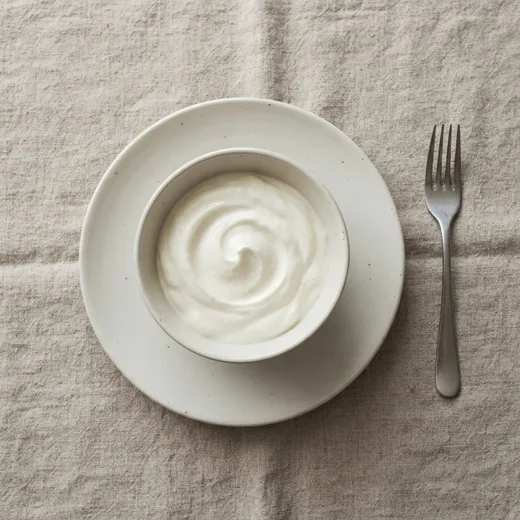
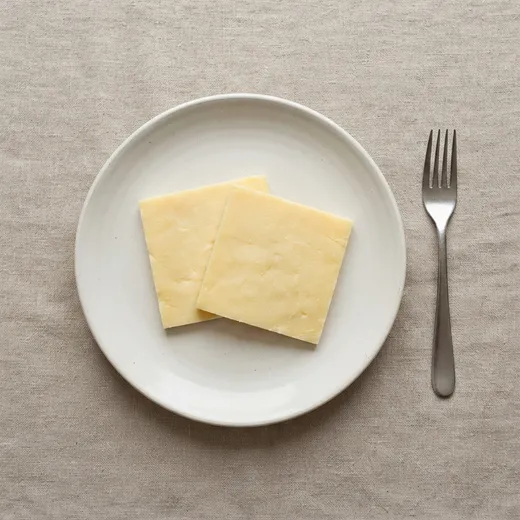
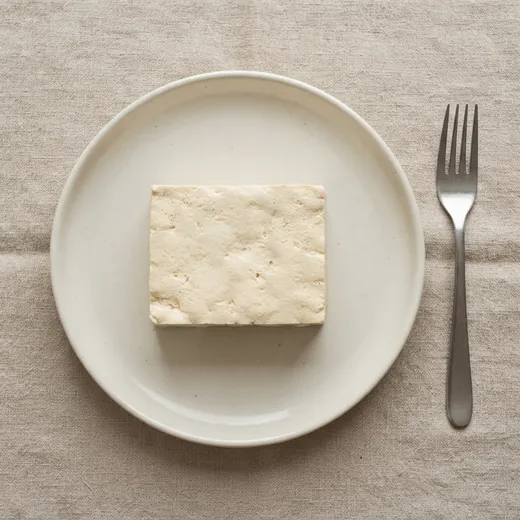
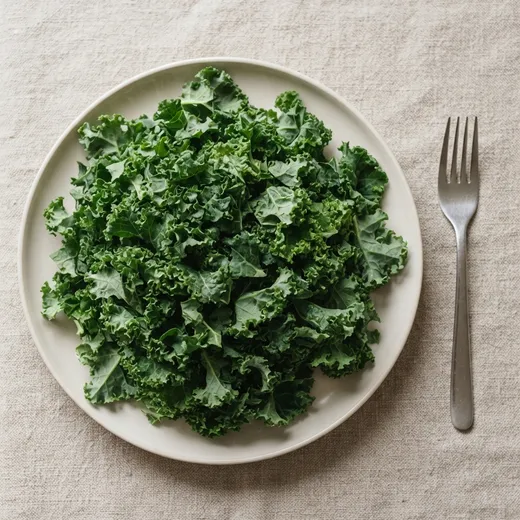
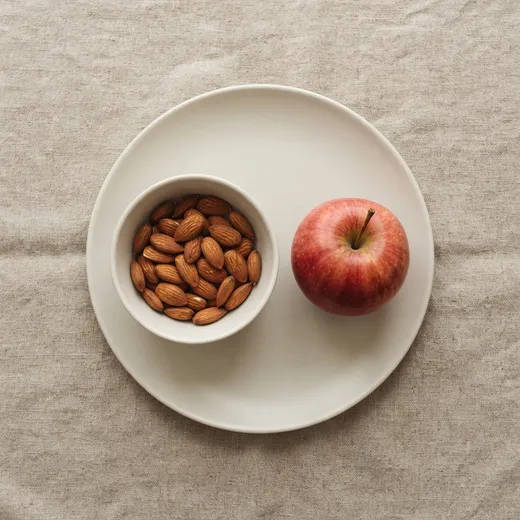
Together: 1,397 mg
A day that adds up to 18 mg of iron
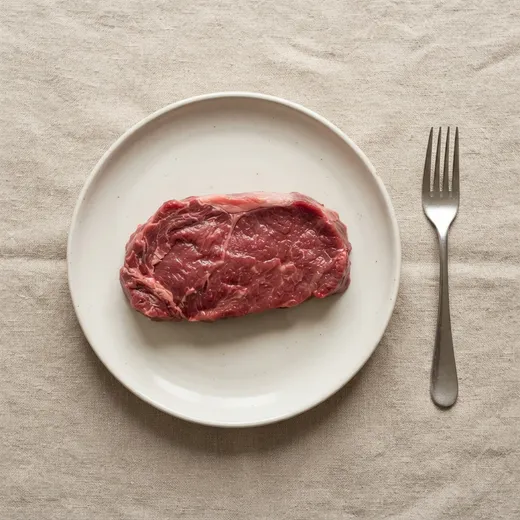
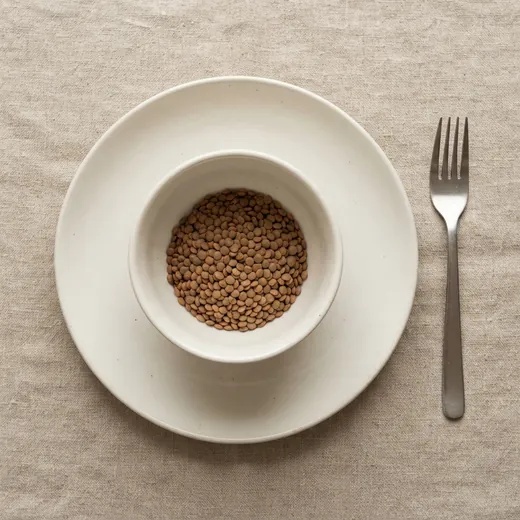
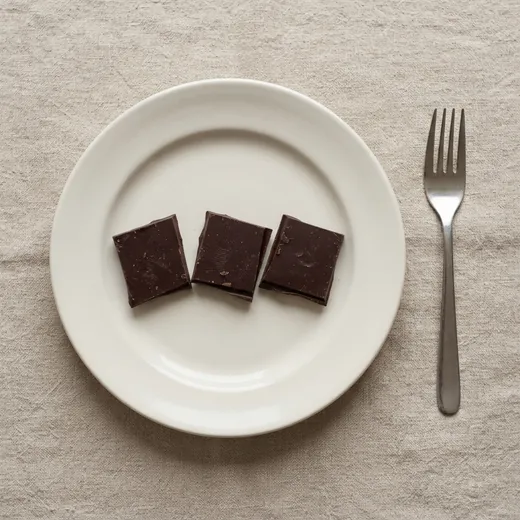
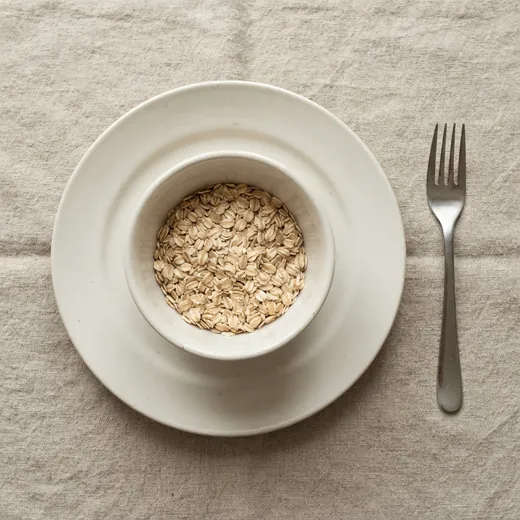

Together: 19.5 mg
Every food with calcium or iron, and how much a serve has
Every food in PhaseFood's nutrition data for New Zealand that you would eat by the serve, highest first. These are the amounts in the food; iron from meat and fish is absorbed more easily than iron from plants. Meat, fish, dry beans and dry grains are weighed raw.
Calcium in one serve
- Paneer100 g520 mg
- Gruyère40 g (2 slices)404 mg
- Plain full-fat yoghurt250 g (about 1 cup)383 mg
- Swiss cheese40 g (2 slices)352 mg
- Canned sardines100 g drained340 mg
- Cheddar40 g (2 slices)338 mg
- Firm tofu150 g315 mg
- Milk, full-fat1 cup (250 ml)297 mg
- Soy milk, calcium added1 cup (250 ml)294 mg
- Mozzarella40 g286 mg
- Rice milk, calcium added1 cup (250 ml)284 mg
- Kale100 g of leaves (most of a bunch)280 mg
- Halloumi40 g (2 slices)256 mg
- Coconut milk drink, calcium added1 cup (250 ml)232 mg
- Parmesan20 g (about 3 tablespoons grated)220 mg
- Ricotta110 g (½ cup)215 mg
- Feta40 g176 mg
- Sourdough bread2 slices (70 g)147 mg
- Poppy seeds10 g144 mg
- Dried haricot beans75 g dry135 mg
- Prawns100 g raw126 mg
- Chia seeds20 g (2 tablespoons)122 mg
- Cottage cheese110 g (½ cup)121 mg
- Rocket60 g (2 handfuls)120 mg
- Oat milk, unsweetened1 cup (250 ml)116 mg
- Dried chickpeas75 g dry (a bit over ⅓ cup)105 mg
- Canned black beans130 g drained (¾ cup)103 mg
- Rhubarb2 stalks (100 g)99 mg
- Dried black beans75 g dry92 mg
- Almonds30 g (about 24 almonds)81 mg
- Wholemeal bread2 slices (70 g)81 mg
- Dried figs40 g80 mg
- Edamame beans, shelled80 g (½ cup)78 mg
- Bok choy100 g76 mg
- Watercress60 g (2 handfuls)76 mg
- Tempeh100 g72 mg
- Dried mung beans75 g dry67 mg
- Dried red kidney beans75 g dry66 mg
- Green-lipped mussels100 g of mussel meat66 mg
- Tahini20 g66 mg
- Canned red kidney beans130 g drained (¾ cup)65 mg
- Canned cannellini beans130 g drained (¾ cup)62 mg
- Turnip100 g59 mg
- Canned chickpeas130 g drained (¾ cup)57 mg
- Canned lentils130 g drained (¾ cup)56 mg
- Parsleya handful (15 g)50 mg
- Brazil nuts30 g (a small handful)49 mg
- Silverbeet80 g (2 leaves)48 mg
- Anchovies5 fillets (20 g)47 mg
- Eggs2 eggs46 mg
- Flaxseed (linseed)20 g (2 tablespoons)46 mg
- Baby spinach60 g (2 handfuls)45 mg
- Wheat wrap1 wrap (45 g)44 mg
- Brown or green lentils75 g dry (a bit over ⅓ cup)42 mg
- Celeriac100 g42 mg
- Hazelnuts30 g (a small handful)41 mg
- Kiwifruit2 kiwifruit (about 150 g)41 mg
- Mandarin100 g41 mg
- Swede100 g41 mg
- Dates2 dates (about 50 g)40 mg
- Kūmara1 kūmara (200 g)40 mg
- Parsnip1 parsnip (120 g)40 mg
- Orange1 orange (about 130 g)39 mg
- Wholemeal pasta85 g dry37 mg
- Cream cheese30 g36 mg
- Green beans75 g36 mg
- Onion1 onion (150 g)36 mg
- Artichoke, boiled80 g35 mg
- Courgette1 courgette (about 195 g)35 mg
- Fennelhalf a bulb (about 115 g)35 mg
- Leek1 leek (about 90 g)35 mg
- Fresh figs2 figs (100 g)34 mg
- Broccoli100 g33 mg
- Sour cream30 g33 mg
- Lettuce60 g (2 handfuls)32 mg
- Pistachios30 g (a small handful)32 mg
- Pumpkin150 g32 mg
- Sunflower seeds30 g (about ¼ cup)32 mg
- Fresh dilla handful (15 g)31 mg
- Butternut squash150 g30 mg
- Celery2 stalks (80 g)30 mg
- Cabbage75 g29 mg
- Currants30 g29 mg
- Canned tomatoes200 g (half a 400 g can)28 mg
- Quinoa60 g dry (about ⅓ cup)28 mg
- Rolled oats50 g dry (about ½ cup)28 mg
- Fresh basila handful (15 g)27 mg
- Lamb loin chops150 g raw meat27 mg
- Cod1 fillet (150 g raw)24 mg
- Mango1 mango (about 205 g)23 mg
- Pasta85 g dry23 mg
- Walnuts30 g (a small handful)23 mg
- Wholemeal pita1 pita (60 g)23 mg
- Wholemeal couscous60 g dry (about ⅓ cup)22 mg
- Beef ribs150 g raw meat21 mg
- Dark chocolate (70%+)30 g21 mg
- Snow peas50 g21 mg
- Cream30 g20 mg
- Pawpaw100 g20 mg
- Peas75 g (½ cup)20 mg
- Rye bread2 slices (70 g)20 mg
- Spring onions2 spring onions (30 g)20 mg
- Dried apricots30 g19 mg
- Peanuts30 g (a small handful)19 mg
- Apricots3 apricots (about 105 g)18 mg
- Bulgur wheat50 g dry (about ⅓ cup)18 mg
- Cauliflower100 g18 mg
- Couscous60 g dry (about ⅓ cup)18 mg
- Fresh tuna150 g raw18 mg
- Hemp seeds20 g (2 tablespoons)18 mg
- Olives30 g18 mg
- Cos lettuce60 g (2 handfuls)17 mg
- Duck breast150 g raw17 mg
- Pecans30 g (a small handful)17 mg
- Pork mince150 g raw17 mg
- Pork shoulder150 g raw17 mg
- Red lentils75 g dry (a bit over ⅓ cup)17 mg
- Cashews30 g (a small handful)16 mg
- Cherries100 g16 mg
- Cucumber100 g16 mg
- Pear1 pear (about 180 g)16 mg
- Prunes30 g16 mg
- Raisins30 g16 mg
- Tomato1 tomato (about 125 g)16 mg
- Asparagus75 g15 mg
- Carrot1 carrot (about 60 g)15 mg
- Dark chocolate (45–69%)30 g15 mg
- Lamb shoulder150 g raw15 mg
- Macadamias30 g (a small handful)15 mg
- Plums2 plums (about 130 g)15 mg
- Pork loin medallions150 g raw15 mg
- Blue mackerel1 fillet (150 g raw)14 mg
- Chivesa handful (15 g)14 mg
- Radish50 g14 mg
- Tarakihi1 fillet (150 g raw)14 mg
- Turkey breast150 g raw14 mg
- Turkey, mixed cuts150 g raw14 mg
- Beetroot100 g13 mg
- Rice noodles60 g dry13 mg
- Scotch fillet steak250 g raw (1 steak)13 mg
- Strawberries75 g (½ cup)13 mg
- Blue cod1 fillet (150 g raw)12 mg
- Chicken leg meat150 g raw12 mg
- Chicken thigh150 g raw12 mg
- Eggplant150 g12 mg
- Fresh coriandera handful (15 g)12 mg
- Nori2 sheets (5 g)12 mg
- Pineapple100 g12 mg
- Pork loin steak150 g raw12 mg
- Pumpkin seeds30 g (about ¼ cup)12 mg
- Salmon1 fillet (150 g raw)12 mg
- Snapper1 fillet (150 g raw)12 mg
- Chicken breast1 breast (180 g raw)11 mg
- Hoki1 fillet (150 g raw)11 mg
- Peanut butter20 g11 mg
- Capsicum1 capsicum (about 165 g)10 mg
- Pearl barley50 g dry (¼ cup)10 mg
- Rump steak250 g raw (1 steak)10 mg
- Apple1 apple (about 180 g)9 mg
- Beef mince150 g raw9 mg
- Cocoa powder1 tablespoon (5 g)9 mg
- Kimchi50 g9 mg
- Lamb shank150 g raw meat9 mg
- Nectarine1 nectarine (about 140 g)9 mg
- Raspberries75 g (½ cup)9 mg
- Avocadohalf an avocado (75 g)8 mg
- Beef brisket150 g raw8 mg
- Beef chuck steak150 g raw8 mg
- Blueberries75 g (½ cup)8 mg
- Buckwheat60 g dry8 mg
- Canned tuna in oil100 g drained8 mg
- Coconut yoghurt150 g8 mg
- Lamb cutlets2 cutlets (100 g raw)8 mg
- Lean beef mince150 g raw8 mg
- Lychees100 g8 mg
- Peach1 peach (150 g)8 mg
- Sesame seeds18 g (2 tablespoons)8 mg
- Bean sprouts50 g (½ cup)7 mg
- Potato1 potato (170 g)7 mg
- Banana1 banana (about 120 g)6 mg
- Beef eye fillet150 g raw6 mg
- Beef shin150 g raw6 mg
- Beef topside150 g raw6 mg
- Brown rice75 g dry (a bit over ⅓ cup)6 mg
- Canned tuna in spring water100 g drained6 mg
- Lamb backstrap150 g raw6 mg
- Lamb fillet150 g raw6 mg
- Lamb leg150 g raw6 mg
- Lamb mince150 g raw6 mg
- White rice75 g dry (a bit over ⅓ cup)6 mg
- Chicken liver100 g raw5 mg
- Millet60 g dry5 mg
- Smoked salmon50 g5 mg
- Pine nuts30 g (a small handful)4 mg
- Desiccated coconut20 g (about ¼ cup)3 mg
- Bacon2 rashers (50 g raw)2 mg
- Mushrooms5 mushrooms (90 g)2 mg
- Polenta40 g dry (¼ cup)2 mg
- Sweetcorn1 cob (100 g of kernels)2 mg
Iron in one serve
- Chicken liver100 g raw12.8 mg
- Rump steak250 g raw (1 steak)5.8 mg
- Brown or green lentils75 g dry (a bit over ⅓ cup)5.2 mg
- Dried haricot beans75 g dry5 mg
- Dried chickpeas75 g dry (a bit over ⅓ cup)4.8 mg
- Scotch fillet steak250 g raw (1 steak)4.8 mg
- Dried red kidney beans75 g dry4.6 mg
- Dried mung beans75 g dry4.5 mg
- Red lentils75 g dry (a bit over ⅓ cup)4 mg
- Dried black beans75 g dry3.8 mg
- Duck breast150 g raw3.6 mg
- Beef topside150 g raw3.4 mg
- Beef eye fillet150 g raw3.3 mg
- Green-lipped mussels100 g of mussel meat3.3 mg
- Wholemeal pasta85 g dry3.3 mg
- Lean beef mince150 g raw3.2 mg
- Beef shin150 g raw3.1 mg
- Pork mince150 g raw3.1 mg
- Firm tofu150 g3 mg
- Beef brisket150 g raw2.9 mg
- Beef chuck steak150 g raw2.9 mg
- Beef mince150 g raw2.9 mg
- Quinoa60 g dry (about ⅓ cup)2.7 mg
- Pork loin steak150 g raw2.6 mg
- Pumpkin seeds30 g (about ¼ cup)2.6 mg
- Hemp seeds20 g (2 tablespoons)2.5 mg
- Beef ribs150 g raw meat2.4 mg
- Canned lentils130 g drained (¾ cup)2.4 mg
- Lamb fillet150 g raw2.4 mg
- Pork shoulder150 g raw2.4 mg
- Canned black beans130 g drained (¾ cup)2.3 mg
- Lamb backstrap150 g raw2.3 mg
- Lamb loin chops150 g raw meat2.3 mg
- Dark chocolate (70%+)30 g2.2 mg
- Tempeh100 g2.2 mg
- Lamb leg150 g raw2.1 mg
- Wholemeal couscous60 g dry (about ⅓ cup)2.1 mg
- Canned sardines100 g drained2 mg
- Lamb shank150 g raw meat1.9 mg
- Pine nuts30 g (a small handful)1.9 mg
- Pork loin medallions150 g raw1.9 mg
- Rolled oats50 g dry (about ½ cup)1.9 mg
- Blue mackerel1 fillet (150 g raw)1.8 mg
- Canned chickpeas130 g drained (¾ cup)1.8 mg
- Canned red kidney beans130 g drained (¾ cup)1.8 mg
- Cashews30 g (a small handful)1.8 mg
- Edamame beans, shelled80 g (½ cup)1.8 mg
- Canned cannellini beans130 g drained (¾ cup)1.7 mg
- Coconut yoghurt150 g1.6 mg
- Kale100 g of leaves (most of a bunch)1.6 mg
- Lamb mince150 g raw1.6 mg
- Buckwheat60 g dry1.5 mg
- Canned tomatoes200 g (half a 400 g can)1.5 mg
- Lamb shoulder150 g raw1.5 mg
- Millet60 g dry1.5 mg
- Pearl barley50 g dry (¼ cup)1.5 mg
- Turkey, mixed cuts150 g raw1.5 mg
- Canned tuna in spring water100 g drained1.4 mg
- Chia seeds20 g (2 tablespoons)1.4 mg
- Eggs2 eggs1.4 mg
- Fresh tuna150 g raw1.4 mg
- Lamb cutlets2 cutlets (100 g raw)1.4 mg
- Pasta85 g dry1.4 mg
- Polenta40 g dry (¼ cup)1.4 mg
- Sunflower seeds30 g (about ¼ cup)1.4 mg
- Dark chocolate (45–69%)30 g1.3 mg
- Rye bread2 slices (70 g)1.3 mg
- Wholemeal bread2 slices (70 g)1.3 mg
- Bulgur wheat50 g dry (about ⅓ cup)1.2 mg
- Flaxseed (linseed)20 g (2 tablespoons)1.2 mg
- Parsleya handful (15 g)1.2 mg
- Soy milk, calcium added1 cup (250 ml)1.2 mg
- Almonds30 g (about 24 almonds)1.1 mg
- Peas75 g (½ cup)1.1 mg
- Sesame seeds18 g (2 tablespoons)1.1 mg
- Wholemeal pita1 pita (60 g)1.1 mg
- Chicken thigh150 g raw1 mg
- Courgette1 courgette (about 195 g)1 mg
- Couscous60 g dry (about ⅓ cup)1 mg
- Fresh dilla handful (15 g)1 mg
- Nori2 sheets (5 g)1 mg
- Pistachios30 g (a small handful)1 mg
- Poppy seeds10 g1 mg
- Potato1 potato (170 g)1 mg
- Tahini20 g1 mg
- Chicken leg meat150 g raw0.9 mg
- Dates2 dates (about 50 g)0.9 mg
- Hazelnuts30 g (a small handful)0.9 mg
- Baby spinach60 g (2 handfuls)0.8 mg
- Canned tuna in oil100 g drained0.8 mg
- Kūmara1 kūmara (200 g)0.8 mg
- Pecans30 g (a small handful)0.8 mg
- Sourdough bread2 slices (70 g)0.8 mg
- Turkey breast150 g raw0.8 mg
- Walnuts30 g (a small handful)0.8 mg
- Anchovies5 fillets (20 g)0.7 mg
- Bok choy100 g0.7 mg
- Brazil nuts30 g (a small handful)0.7 mg
- Brown rice75 g dry (a bit over ⅓ cup)0.7 mg
- Cherries100 g0.7 mg
- Prawns100 g raw0.7 mg
- Avocadohalf an avocado (75 g)0.6 mg
- Broccoli100 g0.6 mg
- Capsicum1 capsicum (about 165 g)0.6 mg
- Chicken breast1 breast (180 g raw)0.6 mg
- Dried figs40 g0.6 mg
- Lettuce60 g (2 handfuls)0.6 mg
- Peanuts30 g (a small handful)0.6 mg
- Sweetcorn1 cob (100 g of kernels)0.6 mg
- Butternut squash150 g0.5 mg
- Celeriac100 g0.5 mg
- Cocoa powder1 tablespoon (5 g)0.5 mg
- Cod1 fillet (150 g raw)0.5 mg
- Currants30 g0.5 mg
- Desiccated coconut20 g (about ¼ cup)0.5 mg
- Fresh basila handful (15 g)0.5 mg
- Green beans75 g0.5 mg
- Lychees100 g0.5 mg
- Macadamias30 g (a small handful)0.5 mg
- Plums2 plums (about 130 g)0.5 mg
- Pumpkin150 g0.5 mg
- Rocket60 g (2 handfuls)0.5 mg
- Silverbeet80 g (2 leaves)0.5 mg
- Snow peas50 g0.5 mg
- Artichoke, boiled80 g0.4 mg
- Chivesa handful (15 g)0.4 mg
- Dried apricots30 g0.4 mg
- Fresh figs2 figs (100 g)0.4 mg
- Leek1 leek (about 90 g)0.4 mg
- Pineapple100 g0.4 mg
- Turnip100 g0.4 mg
- Watercress60 g (2 handfuls)0.4 mg
- Wheat wrap1 wrap (45 g)0.4 mg
- Asparagus75 g0.3 mg
- Banana1 banana (about 120 g)0.3 mg
- Beetroot100 g0.3 mg
- Cauliflower100 g0.3 mg
- Coconut milk drink, calcium added1 cup (250 ml)0.3 mg
- Eggplant150 g0.3 mg
- Fennelhalf a bulb (about 115 g)0.3 mg
- Fresh coriandera handful (15 g)0.3 mg
- Kiwifruit2 kiwifruit (about 150 g)0.3 mg
- Oat milk, unsweetened1 cup (250 ml)0.3 mg
- Olives30 g0.3 mg
- Onion1 onion (150 g)0.3 mg
- Parsnip1 parsnip (120 g)0.3 mg
- Pawpaw100 g0.3 mg
- Peach1 peach (150 g)0.3 mg
- Peanut butter20 g0.3 mg
- Pear1 pear (about 180 g)0.3 mg
- Prunes30 g0.3 mg
- Raisins30 g0.3 mg
- Salmon1 fillet (150 g raw)0.3 mg
- Snapper1 fillet (150 g raw)0.3 mg
- Tarakihi1 fillet (150 g raw)0.3 mg
- Tomato1 tomato (about 125 g)0.3 mg
- Apple1 apple (about 180 g)0.2 mg
- Apricots3 apricots (about 105 g)0.2 mg
- Bacon2 rashers (50 g raw)0.2 mg
- Bean sprouts50 g (½ cup)0.2 mg
- Cabbage75 g0.2 mg
- Cucumber100 g0.2 mg
- Hoki1 fillet (150 g raw)0.2 mg
- Mushrooms5 mushrooms (90 g)0.2 mg
- Nectarine1 nectarine (about 140 g)0.2 mg
- Paneer100 g0.2 mg
- Radish50 g0.2 mg
- Raspberries75 g (½ cup)0.2 mg
- Rice noodles60 g dry0.2 mg
- Spring onions2 spring onions (30 g)0.2 mg
- Blueberries75 g (½ cup)0.1 mg
- Carrot1 carrot (about 60 g)0.1 mg
- Celery2 stalks (80 g)0.1 mg
- Gruyère40 g (2 slices)0.1 mg
- Kimchi50 g0.1 mg
- Mandarin100 g0.1 mg
- Mozzarella40 g0.1 mg
- Orange1 orange (about 130 g)0.1 mg
- Rhubarb2 stalks (100 g)0.1 mg
- Rice milk, calcium added1 cup (250 ml)0.1 mg
- Smoked salmon50 g0.1 mg
- Strawberries75 g (½ cup)0.1 mg
- Swede100 g0.1 mg
Read the full reasoning and sources
What PhaseFood calls life stage tailoring is the thing that shifts your recipes based on where you are in your reproductive life: cycling, perimenopause-active, perimenopause-winding-down, menopause and beyond, or not applicable.
The strongest evidence in this whole area is for protein, calcium, iron timing, and the Mediterranean pattern in menopause and beyond. The rest is general adult nutrition with mild adjustments based on what changes physiologically across reproductive life.
Perimenopause, winding down
Periods stopping but not yet twelve months without one. Iron needs drop rapidly. Calcium, protein, and Mediterranean-pattern emphasis become more important.
Menopause and beyond
Twelve months or more since your last period, including menopause itself and the postmenopausal years. This is where the evidence base is strongest.
Not applicable
If you've picked not applicable, your recipes use standard adult nutrition foundations: balanced protein, vegetables, whole grains, healthy fats, varied ingredients. No life-stage-specific framing is added.
Sources
- National Institutes of Health Office of Dietary Supplements. Iron — Health Professional Fact Sheet. Link
- National Institutes of Health Office of Dietary Supplements. Calcium — Health Professional Fact Sheet. Link
- Mamerow MM, Mettler JA, English KL, et al. Dietary protein distribution positively influences 24-h muscle protein synthesis in healthy adults. J Nutr. 2014;144(6):876–880. Link
- Cano A, Marshall S, Zolfaroli I, et al. The Mediterranean diet and menopausal health: An EMAS position statement. Maturitas. 2020;139:90–97. Link
- Bauer J, Biolo G, Cederholm T, et al. Evidence-based recommendations for optimal dietary protein intake in older people: a position paper from the PROT-AGE Study Group. J Am Med Dir Assoc. 2013;14(8):542–559. Link
- Estruch R, Ros E, Salas-Salvadó J, et al. Primary Prevention of Cardiovascular Disease with a Mediterranean Diet Supplemented with Extra-Virgin Olive Oil or Nuts. N Engl J Med. 2018;378(25):e34. Link
- Chen MN, Lin CC, Liu CF. Efficacy of phytoestrogens for menopausal symptoms: a meta-analysis and systematic review. Climacteric. 2015;18(2):260–269. Link
- NHMRC / NZ Ministry of Health. Nutrient Reference Values for Australia and New Zealand: Calcium. Link
- New Zealand Food Composition Database. New Zealand FOODfiles 2024. The New Zealand Institute for Plant and Food Research and Ministry of Health. Link
- Food Standards Australia New Zealand. Australian Food Composition Database, Release 3. Link
- U.S. Department of Agriculture, Agricultural Research Service. FoodData Central. Link
- Public Health England. McCance and Widdowson's The Composition of Foods Integrated Dataset 2021. Link
- Health Canada. Canadian Nutrient File, 2015. Link
- Health Canada. Dietary Reference Intakes Tables: Reference Values for Elements. Link
- NHS. Vitamins and minerals: Iron. Link
- NHS. Vitamins and minerals: Calcium. Link
- NHMRC / NZ Ministry of Health. Nutrient Reference Values for Australia and New Zealand: Protein. Link
- Health Canada. Dietary Reference Intakes Tables: Reference Values for Macronutrients. Link
- British Nutrition Foundation. Protein. Link
- Deutz NE, Bauer JM, Barazzoni R, et al. Protein intake and exercise for optimal muscle function with aging: recommendations from the ESPEN Expert Group. Clin Nutr. 2014;33(6):929–936. Link
- Women's Health Concern (British Menopause Society). Nutrition in menopause, fact sheet. Link
Women in the research
What we know is that there is limited evidence not only in nutrition but also for women.
In the 704 studies behind the US and Canadian nutrient recommendations, women were left out of 23% of studies and made up 29% of the people studied. Pregnant or breastfeeding women were included in 17%. The most rigorous designs, such as controlled feeding studies, were the most likely to include men only.
A 2025 review of 31 trials found all three consistently helped mood symptoms. Only one of those trials was at low risk of bias.
In a UK study of 30,059 people, each extra 10% of the diet from ultra-processed food went with about 14% more depression and 12% more anxiety. In a study of 31,712 US nurses, artificial sweeteners were the strongest driver.
In a study of 63,743 US women aged 60 and over, more ultra-processed food went with more frailty, even when overall diet quality was high. Wholegrain processed foods showed no link. Frailty was self-reported.
Nobody can ethically give pregnant women a diet designed to be worse, so there will never be a trial testing whether ultra-processed food harms a pregnancy. US research rules, for example, only allow more than a minimal risk to a baby when the study could benefit the mother or baby. The evidence comes from following what women already eat. Two pooled analyses, of 54 and 61 studies, both link diets higher in ultra-processed food with more gestational diabetes (diabetes that starts in pregnancy) and more preeclampsia (dangerous high blood pressure in pregnancy). The larger review rated the preeclampsia link as moderate certainty and the diabetes link as very low. In 6,693 first-time mothers, more ultra-processed food in the three months before conception went with more preterm birth (about 11% higher odds per 10 points) and more high blood pressure in pregnancy (about 5%). These are links, not proof of cause, but not proven is not the same as safe. The opposite direction has been tested: a Spanish trial that moved 874 pregnant women toward a Mediterranean diet cut gestational diabetes from 23% to 17%.
Studies so far haven't found a clear link in women. A 2026 pooled analysis of 4 studies, three of them one-off surveys, found no significant link, though its estimate leaned towards harm. A Dutch study of 831 women and 651 of their partners found no link with how quickly the women conceived, but more ultra-processed food in women went with slightly smaller embryos at seven weeks, and in their partners with lower fertility. The Dutch study is one of the four in the pooled analysis, so these are not two separate findings. This is early, small research: no clear link is not evidence that ultra-processed food is fine.
Sources
- Robinson J, Ferreira A, Iacovou M, et al. Effect of nutritional interventions on the psychological symptoms of premenstrual syndrome in women of reproductive age: a systematic review of randomized controlled trials. Nutr Rev. 2025;83(2):280–306. Link
- Yuan S, Zhu T, Gu J, et al. Associations of ultra-processed food intake and its circulating metabolomic signature with mental disorders in middle-aged and older adults. Nutrients. 2025;17(9):1582. Link
- Samuthpongtorn C, Nguyen LH, Okereke OI, et al. Consumption of ultraprocessed food and risk of depression. JAMA Netw Open. 2023;6(9):e2334770. Link
- Fung TT, Rossato SL, Chen Z, et al. Ultraprocessed foods, unprocessed or minimally processed foods, and risk of frailty in a cohort of United States females. Am J Clin Nutr. 2024;120(1):232–239. Link
- Hall R, Hernandez AM, Rosas-Rogers S, et al. The association between periconceptional consumption of ultra-processed food and the incidence of adverse pregnancy outcomes. Nutrients. 2026;18(4):627. Link
- Paula WO, Patriota ESO, Gonçalves VSS, et al. Maternal consumption of ultra-processed foods-rich diet and perinatal outcomes: a systematic review and meta-analysis. Nutrients. 2022;14(15):3242. Link
- Feng Y, Miao H, Li N. Ultra-processed food consumption and risk of infertility in adults: a systematic review and meta-analysis. Front Public Health. 2026;14:1906808. Link
- Lin CHX, Gaillard R, Mulders AGMGJ, et al. Periconceptional ultra-processed food consumption in women and men, fertility, and early embryonic development. Hum Reprod. 2026;41(5):722–732. Link
- US Code of Federal Regulations. 45 CFR 46.204: Research involving pregnant women or fetuses. Link
- Talebi S, Mehrabani S, Ghoreishy SM, et al. The association between ultra-processed food and common pregnancy adverse outcomes: a dose-response systematic review and meta-analysis. BMC Pregnancy Childbirth. 2024;24:369. Link
- Assaf-Balut C, García de la Torre N, Durán A, et al. A Mediterranean diet with additional extra virgin olive oil and pistachios reduces the incidence of gestational diabetes mellitus (GDM): a randomized controlled trial: the St. Carlos GDM prevention study. PLoS One. 2017;12(10):e0185873. Link
- Smith ER, He S, Klatt KC, et al. Limited data exist to inform our basic understanding of micronutrient requirements in pregnancy. Sci Adv. 2021;7(43):eabj8016. Link
The Mediterranean pattern
The Mediterranean dietary pattern has more replicated, large-scale evidence behind it than almost any other framework in modern nutrition.
heart attacks, strokes and heart-related deaths on a Mediterranean diet than on a low-fat diet, in a trial of 7,447 adults at high risk over about five years.
In real numbers: over about five years, about 4 in every 100 people on the low-fat diet had a heart attack, a stroke or died of heart disease. On the Mediterranean diet it was about 3 in every 100. Most of the difference was fewer strokes.
lower risk of death among people who eat closest to this pattern, across pooled studies of hundreds of thousands of people. These studies observe people, so they show a link, not proof.
The trial was retracted because some people were not properly randomised. It was reanalysed and republished, and the result held.
The difficult part of nutrition research like this can be determining exactly which element contributed to the findings. Is it everything, or is it the fish, the plants, the olive oil?
Read the full reasoning and sources
The Mediterranean dietary pattern has more replicated, large-scale evidence behind it than almost any other framework in modern nutrition.
It comes from the traditional foodways of southern Italy, Greece, and Spain in the mid-twentieth century. People in these regions were eating a fair amount of fat (mostly olive oil, fish, nuts) and not getting heart disease at the rates American researchers expected. Vegetables, legumes, whole grains, fruit, nuts, seeds, fish, olive oil, herbs, moderate dairy and wine. Less red meat, less processed meat, very little ultra-processed food.
The cardiovascular disease evidence is robust. The PREDIMED trial in Spain followed nearly 7,500 high-cardiovascular-risk adults for around five years and found a 30 percent reduction in major cardiovascular events for participants on a Mediterranean diet supplemented with extra-virgin olive oil or nuts, compared to a low-fat control. Multiple meta-analyses of cohort studies, hundreds of thousands of participants combined, have shown 10 to 25 percent reductions in all-cause and cardiovascular mortality associated with higher Mediterranean diet scores. Mediterranean dietary patterns also reduce type 2 diabetes risk and improve metabolic markers, blood pressure, triglycerides, HDL cholesterol, across both trial and observational evidence. The cognitive benefits are weaker but pointing in the same direction. The European Menopause and Andropause Society's 2020 position statement specifically endorses the pattern for perimenopause and menopause, citing reductions in cardiovascular risk, weight gain, and possibly hot flash severity.
The original 2013 PREDIMED paper got retracted from the New England Journal of Medicine in 2018. Researchers found that some participants weren't properly randomised, about 11.6 percent had been enrolled at the household level rather than individually, and one site had inconsistent randomisation procedures. The trial was reanalysed using methods that account for these issues, and the results were republished. The effect estimates remained similar.
The other thing worth knowing: PREDIMED received supplemental food donations from olive oil producers (Hojiblanca, Patrimonio Comunal Olivarero) and nut industry groups (the California Walnut Commission, Borges, Morella Nuts). Several PREDIMED authors have received ongoing funding from these groups in subsequent research. It's all disclosed in the published papers. The broader Mediterranean evidence base is replicated across many independently funded studies, but it's worth knowing about the specific trial that gets cited most.
What we don't know is which components are doing the work. The olive oil specifically? The polyphenols in unprocessed plant foods? The fish? The absence of ultra-processed food? The social and cultural context of long meals shared with family? Almost certainly some combination, and almost certainly the pattern as a whole rather than any single component.
We also don't really know how well it translates outside the Mediterranean. Most of the strongest evidence comes from southern European populations eating regional foods. Whether equivalent benefits accrue when New Zealanders, Australians, or North Americans approximate the pattern with local versions of those foods is a reasonable assumption. It's not been proven with the same trial-grade evidence.
Sources
- Estruch R, Ros E, Salas-Salvadó J, et al. Primary Prevention of Cardiovascular Disease with a Mediterranean Diet Supplemented with Extra-Virgin Olive Oil or Nuts. N Engl J Med. 2018;378(25):e34. Link
- Dinu M, Pagliai G, Casini A, et al. Mediterranean diet and multiple health outcomes: an umbrella review of meta-analyses of observational studies and randomised trials. Eur J Clin Nutr. 2018;72(1):30–43. Link
- Cano A, Marshall S, Zolfaroli I, et al. The Mediterranean diet and menopausal health: An EMAS position statement. Maturitas. 2020;139:90–97. Link
Industrial seed oils
We exclude industrial seed oils from our recipes by default. That's our position. The evidence is confusing, conflicting and mostly inconclusive, however as nearly all seed oils (bar those that are cold-pressed) go through an industrial process to exist we have considered them to be ultra-processed and therefore excluded from PhaseFood.
Peer-reviewed studies sit on both sides
of calories in a typical Western diet now come from seed oils such as soybean, canola and sunflower. They were rare before about 1900.
pooled in a 2026 review with no industry funding: swapping saturated fat for polyunsaturated fat cut non-fatal heart attacks by about a quarter, with no clear effect on deaths.
more is spent on research and development by food and agriculture companies (about $20 billion a year, mostly on new products) than by the US National Institutes of Health on nutrition research (about $2 billion).
What the recovered trial data showed
Linoleic acid did exactly what mainstream nutrition science predicted on the surrogate: it lowered cholesterol. It did not reduce mortality.
Sydney Diet Heart Study
The intervention group had higher rates of cardiovascular death and all-cause death than the control group.
Minnesota Coronary Experiment
Every 30 mg/dL drop in cholesterol was actually associated with a 22 percent higher mortality risk across the whole group, and 35 percent in those aged 65 and over.
Both reanalyses have legitimate methodological concerns: short follow-up, possible trans-fat contamination of the control arm, modest sample sizes. Neither establishes that seed oils cause harm.
How an industrial seed oil is made
Each step adds something and takes something out. Tap a step to read more.
1. Crushed. Seeds are cleaned, crushed and pressed. The first oil runs off and the pressed seed cake is left behind.
Cold-pressed oils stop after the first step: the seeds are pressed and the oil is filtered. Refining also strips out some nutrients and can create unwanted compounds, including trans fats.
Omega-6 and omega-3
Two families of fat your body can't make, so both have to come from food.
Omega-6
Mainly linoleic acid. It comes largely from seed oils and the foods made with them.
Omega-3
Found in oily fish such as salmon, sardines and mackerel, and in flaxseed, chia seeds and walnuts.
Modern diets sit at around 16:1 omega-6 to omega-3. Humans evolved eating closer to 1:1 or 4:1.
Read the full reasoning and sources
This is the section where PhaseFood's editorial position doesn't align with the NOVA whole foods scale and many nutritionists, however there is significant debate between doctors, nutritionists and researchers about whether seed oils are good for health or not.
We exclude industrial seed oils from our recipes by default. That's our position. The evidence is confusing, conflicting and mostly inconclusive. The studies that suggest they're safe have, in many cases, been funded or co-authored by people with financial relationships to the seed oil industry, which is a fact that very rarely makes it into the public-facing version of the science. Due to this conflict the position of PhaseFood has been to remove them in the recipes. It's a precautionary one based on the available research.
What follows is the research. Read it, weigh it, decide for yourself. The cooking-fats preferences in your Profile control which fats your recipes cook with.
What seed oils actually are
The seed oils people argue about are industrially refined oils high in linoleic acid: soybean, canola, sunflower, safflower, corn, rice bran, cottonseed, grapeseed. They were rare in human diets before about 1900 and now make up 8 to 10 percent of calories in a typical Western diet. They're in almost everything ultra-processed. They're the default cooking oil in most restaurants, including ones that advertise themselves as healthy.
Olive oil and avocado oil are not seed oils. They're pressed from the fruit of the plant, contain less linoleic acid, and aren't the target of the critique.
The mainstream case
PUFA lowers LDL cholesterol
Replacing saturated fat with polyunsaturated fat lowers LDL cholesterol. This is one of the more reproducible findings in nutrition science. It's the foundation of the AHA's longstanding recommendation to use seed oils in place of butter, lard, or coconut oil.
Linoleic acid and CVD
Higher dietary linoleic acid is associated with lower rates of cardiovascular disease across large prospective cohort studies. The effect is moderate. The data are observational. The people in those cohorts who eat more linoleic acid tend to do many other things differently, exercise more, smoke less, eat more vegetables. Cause and effect are difficult to disentangle.
That's the mainstream case in its strongest form. It's reasonable. We don't dismiss it.
Where it gets harder
Now the contested part.
The first hard fact about the seed oil debate is that two of the largest randomised trials ever conducted on whether replacing saturated fat with linoleic acid actually reduces deaths from heart disease, the Sydney Diet Heart Study (1966–73) and the Minnesota Coronary Experiment (1968–73), produced findings that the original researchers either didn't fully publish or didn't emphasise. The raw data sat in basements. NIH researcher Christopher Ramsden and colleagues recovered it decades later, and reanalysed both trials. They published the findings in the BMJ in 2013 and 2016.
Both reanalyses have legitimate methodological concerns: short follow-up, possible trans-fat contamination of the control arm, modest sample sizes. Neither establishes that seed oils cause harm. They also don't align with the confident "PUFAs reduce heart disease deaths" framing that became the public-facing standard.
The second contested piece: linoleic acid in human adipose tissue has more than doubled in the United States since 1959, mirroring the increase in dietary intake. Whether it matters for health is the live debate. Researchers including Ramsden and Joseph Hibbeln, also at NIH, have argued in the American Journal of Clinical Nutrition that this constitutes "a very large uncontrolled experiment." Mainstream nutrition science largely treats the change as biologically inert. Neither side has the evidence to be sure yet.
The third: the ratio of omega-6 to omega-3 fats in your diet. Both are families of polyunsaturated fat that your body can't make, so they have to come from food. Omega-6, mainly linoleic acid, comes largely from seed oils and the foods made with them. Omega-3 comes from oily fish such as salmon, sardines and mackerel, and from flaxseed, chia seeds and walnuts. You've probably read that modern diets sit at around 16:1 omega-6 to omega-3, while humans evolved eating closer to 1:1 or 4:1. That part is well-supported.
What's actually debated is whether the ratio itself matters, or whether it's just a roundabout way of saying "you're not eating enough omega-3."
One camp, led by NIH researcher Bill Lands, argues the balance between the two is what counts. Omega-6 and omega-3 fats compete for the same machinery in your body, and that machinery produces signals that turn inflammation up or down. So if omega-6 is dominating, you're tilted toward inflammation regardless of how much omega-3 you're getting in absolute terms.
The other camp says forget the ratio, what matters is simply how much omega-3 is in your tissues (measured as the "omega-3 index"). They point out that in human trials, cutting dietary omega-6 doesn't reliably lower the inflammatory compounds it's supposed to.
Both sides have solid peer-reviewed evidence.
And then there's the funding problem
This is where I, Lizzy, struggle with all food research, generally there is heavy influence from industry. If you haven't read Marion Nestle's book Unsavory Truth, you should.
The American Heart Association's 2017 Presidential Advisory on Dietary Fats, the document most often cited as the definitive case for seed oils, was issued an official correction later the same year. The correction disclosed that one of the co-authors had received research support from Unilever, one of the world's largest manufacturers of seed-oil-based spreads. The original advisory had listed the disclosure as "None."
The 2019 Circulation paper on linoleic acid biomarkers and cardiovascular disease, probably the most-cited recent evidence in favour of seed oils, was partly funded by a restricted grant from Unilever, and two of its authors reported Unilever support. Its senior investigator disclosed fees from one edible-oil company, outside that work.
NIH spends about $2 billion a year on nutrition research ($1.93 billion in 2019, $2.23 billion in 2023). Private food and agriculture research and development runs at around $20 billion a year, most of it product development. The funding ecosystem is structurally tilted, and that's a fact acknowledged by the people running it. A 2016 systematic review in JAMA Internal Medicine found that industry-sponsored nutrition studies were more likely to reach conclusions favourable to the sponsor than independently funded studies, although the effect didn't reach statistical significance in the pooled analysis.
What we don't know
Whether typical home use of seed oils, a tablespoon in a stir-fry, a salad dressing, carries any meaningful risk in the context of an otherwise whole-food diet, we don't know.
Sources
- Hooper L, Martin N, Jimoh OF, et al. Reduction in saturated fat intake for cardiovascular disease. Cochrane Database Syst Rev. 2020;(8):CD011737. Link
- Marklund M, Wu JHY, Imamura F, et al. Biomarkers of dietary omega-6 fatty acids and incident cardiovascular disease and mortality. Circulation. 2019;139(21):2422–2436. Link
- Ramsden CE, Zamora D, Leelarthaepin B, et al. Use of dietary linoleic acid for secondary prevention of coronary heart disease and death: evaluation of recovered data from the Sydney Diet Heart Study. BMJ. 2013;346:e8707. Link
- Ramsden CE, Zamora D, Majchrzak-Hong S, et al. Re-evaluation of the traditional diet-heart hypothesis: analysis of recovered data from Minnesota Coronary Experiment (1968-73). BMJ. 2016;353:i1246. Link
- Guyenet SJ, Carlson SE. Increase in adipose tissue linoleic acid of US adults in the last half century. Adv Nutr. 2015;6(6):660–664. Link
- Blasbalg TL, Hibbeln JR, Ramsden CE, et al. Changes in consumption of omega-3 and omega-6 fatty acids in the United States during the 20th century. Am J Clin Nutr. 2011;93(5):950–962. Link
- Lands B. Consequences of essential fatty acids. Nutrients. 2012;4(9):1338–1357. Link
- Correction to: Sacks FM et al. Dietary Fats and Cardiovascular Disease: A Presidential Advisory From the American Heart Association. Circulation. 2017;136(25):e505. Link
- Chartres N, Fabbri A, Bero LA. Association of industry sponsorship with outcomes of nutrition studies: a systematic review and meta-analysis. JAMA Intern Med. 2016;176(11):1769–1777. Link
- Steen JP, Klatt KC, Chang Y, et al. Effect of interventions aimed at reducing or modifying saturated fat intake on cholesterol, mortality, and major cardiovascular events. Ann Intern Med. 2026;179(2):242–255. Link
- National Institutes of Health. NIH Nutrition Research Report, executive summary (FY2019–2023 figures). Link
- Fuglie K, Heisey P, King J, et al. Research Investments and Market Structure in the Food Processing, Agricultural Input, and Biofuel Industries Worldwide. USDA Economic Research Service, ERR-130; 2011. Link
- Food Dive. Food research is chronically underfunded, IFT finds (reporting IFT white paper figures). Link
- Gharby S. Refining vegetable oils: chemical and physical refining. ScientificWorldJournal. 2022;2022:6627013. Link
- National Institutes of Health Office of Dietary Supplements. Omega-3 Fatty Acids — Health Professional Fact Sheet. Link
How we define processing
Eating mostly whole foods, real food in something close to its natural form, is one of the most well-supported nutrition recommendations in modern science. We mostly use the NOVA system to categorise food.
PhaseFood builds recipes from Groups 1-3, however we have chosen to also exclude seed oils due to their ultra-processing, in the NOVA system they are considered group 2.
Where the research agrees
calories a day: what 20 adults ate extra on an ultra-processed diet in a tightly controlled trial.
higher risk of type 2 diabetes for every extra 10% of the diet that is ultra-processed, in studies from Europe, the US and Korea.
pooled analyses, covering about 9.9 million people, found worse health with more ultra-processed food.
Where it conflicts
A study of 450,111 Europeans found no link with cancer overall. But in three US studies, the men eating the most ultra-processed food had 29% more bowel cancer, driven by meat products and sugary drinks.
or no added risk from wholegrain bread, breakfast cereal and yoghurt, which all count as ultra-processed.
is the longest any trial has run, and none has measured disease. 13 of the 45 pooled analyses found no link at all.
Plant-based meat alternatives are ultra-processed. We keep them for vegan and vegetarian eaters, and the recipe says so when it uses one. The research on them is mixed: some large studies find neutral or lower risk, one UK study linked plant-based ultra-processed food to more heart disease, and trials showing benefit were often funded by manufacturers.
Read the full reasoning and sources
The case for whole foods is the strongest we make on this page. It's also the simplest.
Eating mostly whole foods, real food in something close to its natural form, is one of the most well-supported nutrition recommendations in modern science. Vegetables, legumes, whole grains, fish, eggs, meat, nuts, seeds, fruit, herbs, spices, traditional cooking fats. We don't hedge this part.
A 2024 BMJ umbrella review covered 45 pooled analyses from 14 meta-analyses, spanning about 9.9 million participants. It found associations between high ultra-processed food intake and worse health in 32 of them and none in 13. Most of the evidence was graded low or very low; it was rated convincing for death from cardiovascular disease, type 2 diabetes, and anxiety and common mental disorders. A 2019 NIH metabolic ward trial gave 20 adults two diets, one ultra-processed and one minimally processed, matched for calories, fat, protein, carbohydrates, sugar, salt, and fibre. Allowed to eat as much as they wanted, participants ate 500 calories more per day on the ultra-processed diet and gained around 2 pounds in two weeks. They lost weight on the unprocessed diet. It's a small study, tightly controlled, and it's the cleanest causal demonstration we have that ultra-processing itself, not just the nutrient profile of ultra-processed foods, drives overconsumption.
The category is not perfectly clean. The most-used definition is the NOVA classification, developed by Brazilian researcher Carlos Monteiro. NOVA category 4 sweeps in everything from sugary drinks and processed snack foods, which are clearly harmful, to packaged sourdough bread, plain yogurt with stabilisers, and infant formula, which aren't obviously harmful. Critics have argued, with peer-reviewed support, that NOVA conflates very different products. The harms attributed to ultra-processed food in epidemiological studies are likely driven mostly by sugary drinks, processed meats, refined snacks, and fast food, not by everything in NOVA category 4 equally.
The app is built around one mostly-whole-foods standard: additive-free tinned staples and stock are welcome, packet sauces and seasoning mixes are not, and no recipe uses seed oils, refined sugar or ultra-processed ingredients. There is no strictness setting, because the health signal sits at the ultra-processed boundary and that line is the same for everyone.
One deliberate exception: plant-based meat alternatives. Plant-based mince, vegan sausages and mock chicken sit in NOVA group 4, so they are technically ultra-processed, and the recipe says so when it uses one. We keep them for vegan and vegetarian eaters because they are a dense, practical protein source, and the evidence so far does not show them behaving like the rest of the category. A 2025 meta-analysis of seven randomised trials found that swapping meat for plant-based alternatives lowered LDL cholesterol by about 12% and total cholesterol by 6% over up to eight weeks. The Stanford SWAP-MEAT crossover trial, funded by Beyond Meat, found lower LDL and lower TMAO, a gut-derived compound linked to heart disease, during the plant-based phase. In the EPIC cohort of 266,000 Europeans followed for eleven years, the ultra-processed subgroups linked to cancer and cardiometabolic multimorbidity were animal-based products and sweetened drinks; plant-based alternatives were not associated with risk.
That evidence is short-term and not unanimous. An eight-week Singapore trial found no difference between plant-based analogues and meat, and a UK Biobank analysis that linked plant-sourced ultra-processed food to heart disease was driven by packaged breads, cakes and biscuits, with meat alternatives under half a percent of intake. They also run high in sodium. So they are an occasional anchor rather than the default: tofu, tempeh, legumes, textured vegetable protein and seitan come first.
Not every additive makes a food ultra-processed, and it is worth being precise about which ones do. NOVA draws the line at what it calls cosmetic additives: substances that make a product look, taste or feel like something it is not. Flavours and flavour enhancers, colours, sweeteners, emulsifiers, thickeners and gelling agents, modified starches and protein isolates all put a food in group 4. An acid used to set a curd, a culture, rennet, or a preservative that only keeps a food from spoiling does not; those foods sit in group 3, processed, alongside cheese, bread, tinned fish and salted nuts. So a ricotta made from milk, whey, cream, salt and citric acid is a processed food, exactly as it would be if you curdled the milk with lemon juice at home, while a mascarpone thickened with modified starch and carrageenan is ultra-processed. PhaseFood recipes accept the first and rewrite around the second.
Sources
- Lane MM, Gamage E, Du S, et al. Ultra-processed food exposure and adverse health outcomes: umbrella review of epidemiological meta-analyses. BMJ. 2024;384:e077310. Link
- Hall KD, Ayuketah A, Brychta R, et al. Ultra-Processed Diets Cause Excess Calorie Intake and Weight Gain. Cell Metab. 2019;30(1):67-77.e3. Link
- Astrup A, Monteiro CA. Does the concept of "ultra-processed foods" help inform dietary guidelines, beyond conventional classification systems? Am J Clin Nutr. 2022;116(6):1480–1481. Link
- Fernández-Rodríguez R, et al. Plant-based meat alternatives and cardiometabolic health: a systematic review and meta-analysis. Am J Clin Nutr. 2025;121(2):274–283. Link
- Crimarco A, et al. A randomized crossover trial on the effect of plant-based compared with animal-based meat on trimethylamine-N-oxide and cardiovascular disease risk factors in generally healthy adults (SWAP-MEAT). Am J Clin Nutr. 2020;112(5):1188–1199. Link
- Cordova R, et al. Consumption of ultra-processed foods and risk of multimorbidity of cancer and cardiometabolic diseases: a multinational cohort study. Lancet Reg Health Eur. 2023. Link
- Toh DWK, Fu AS, Mehta KA, et al. Plant-based meat analogs and their effects on cardiometabolic health: an 8-week randomized controlled trial comparing plant-based meat analogs with their corresponding animal-based foods. Am J Clin Nutr. 2024;119(6):1405–1416. Link
- Rauber F, et al. Implications of food ultra-processing on cardiovascular risk considering plant origin foods: an analysis of the UK Biobank cohort. Lancet Reg Health Eur. 2024;43:100948. Link
- Monteiro CA, Cannon G, Levy RB, et al. Ultra-processed foods: what they are and how to identify them. Public Health Nutr. 2019;22(5):936–941. Link
- Dicken SJ, Dahm CC, Ibsen DB, et al. Food consumption by degree of food processing and risk of type 2 diabetes mellitus: a prospective cohort analysis of the European Prospective Investigation into Cancer and Nutrition (EPIC). Lancet Reg Health Eur. 2024;46:101043. Link
- Chen Z, Khandpur N, Desjardins C, et al. Ultra-processed food consumption and risk of type 2 diabetes: three large prospective U.S. cohort studies. Diabetes Care. 2023;46(7):1335–1344. Link
- Kliemann N, Rauber F, Levy RB, et al. Food processing and cancer risk in Europe: results from the prospective EPIC cohort study. Lancet Planet Health. 2023;7(3):e219–e232. Link
- Dicken SJ, Jassil FC, Brown A, et al. Ultraprocessed or minimally processed diets following healthy dietary guidelines on weight and cardiometabolic health: a randomized, crossover trial. Nat Med. 2025;31(10):3297–3308. Link
- Wang L, Du M, Wang K, et al. Association of ultra-processed food consumption with colorectal cancer risk among men and women: results from three prospective US cohort studies. BMJ. 2022;378:e068921. Link
Food research is conflicting
This is because it is difficult and often unethical to do nutrition research in a way that would provide us with the insights we need. Which is why I think it's important to know the research and then turn yourself into the science experiment to learn what ingredients, food groups, and products actually work best.
Start from whole foods
The best evidence base we have for good nutrition right now.
Notice how foods feel
Do you get tired, headaches or a sore stomach with some foods?
Adjust to your body
Listen to your own symptoms and let your recipes adjust.
Looking for foods, not findings?
This page is the reasoning. The food guide turns the well-supported claims into a searchable list of foods and nutrients.
This page reflects our reading of the evidence as of October 2026. Spotted something out of date? Email hello@phasefood.com