

Search a meal. Find the additive-free ingredients.
We check real supermarket labels and show you what to buy. If nothing passes, we show you the ingredients to make it yourself.
How we rank foods using the NOVA system
PhaseFood ranks real supermarket products by the NOVA food-processing scale and fails anything whose label lists a numbered additive, added sugar, flavouring or emulsifier, so you can see the whole-food or minimally processed option for every ingredient in a meal.
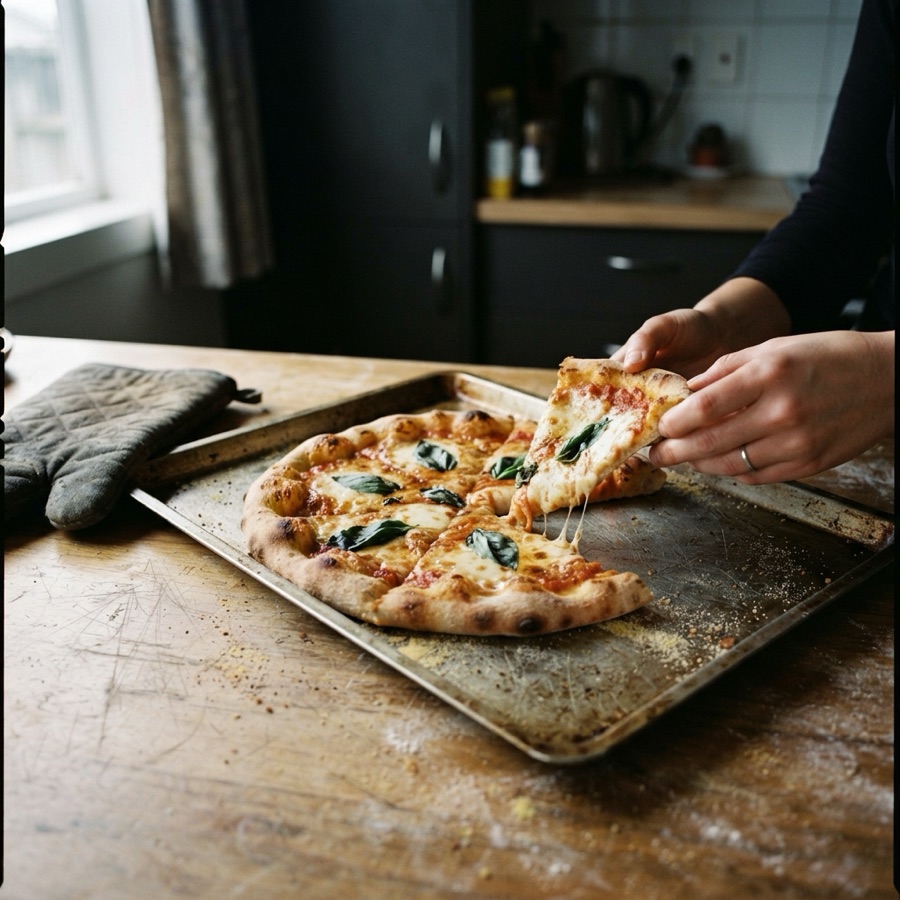

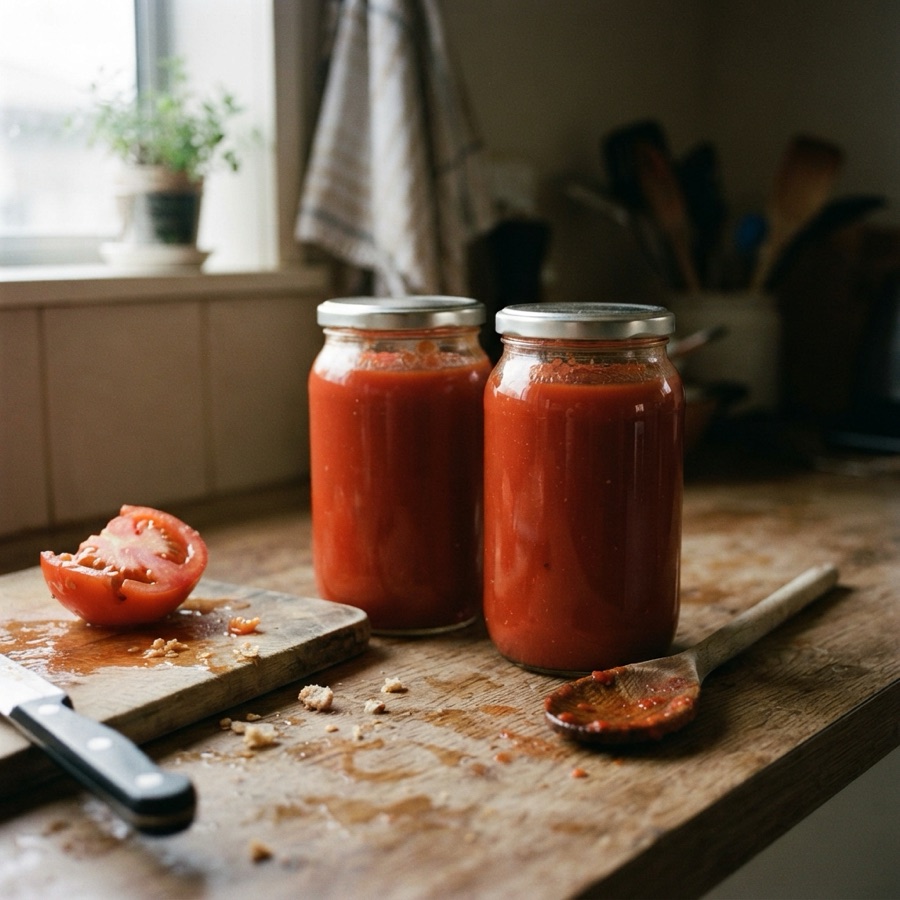
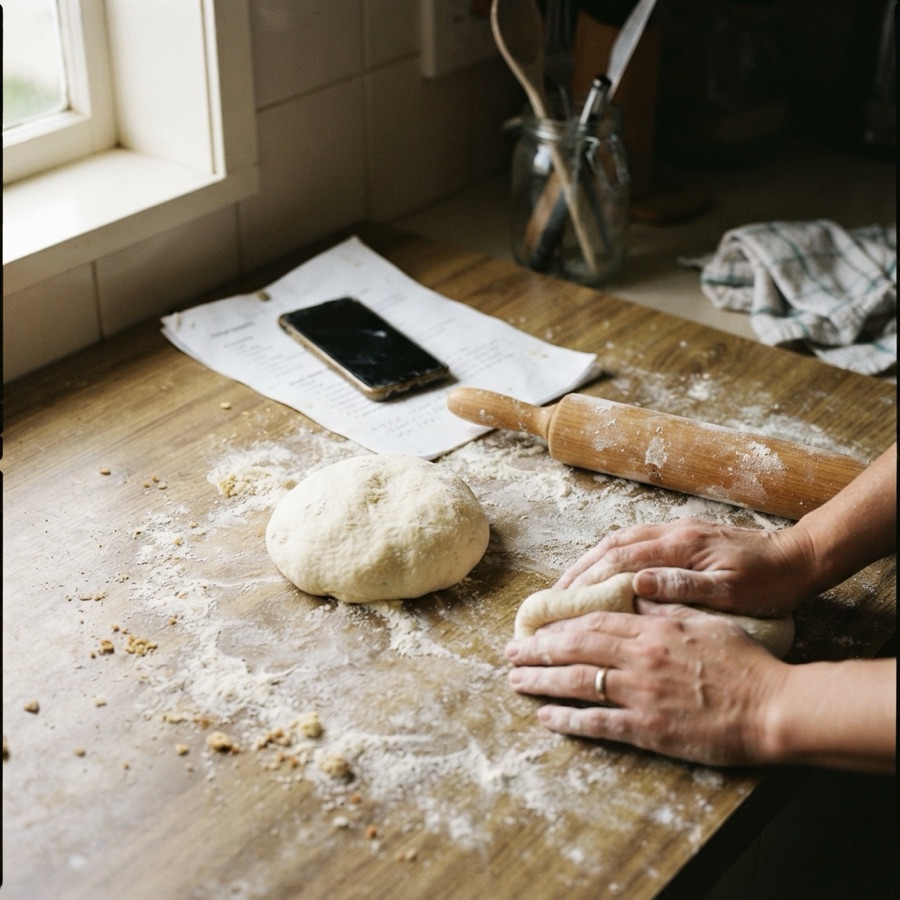
Start with a dish or ingredient
We break it into the ingredients you’d buy, then rank the real products on the shelf by how little has been done to the food. Cheapest wins a tie. No brand pays to be here.
How PhaseFood checks the shelf
What does "minimally processed" mean here?
We use the NOVA classification from the University of São Paulo. Group 1 is a whole food or one that has only been cleaned, cut, dried, frozen or pasteurised. Group 2 is a culinary ingredient obtained from food or nature, such as olive oil, salt or honey. Group 3 combines Group 1 foods with Group 2 ingredients, like cheese or tinned beans in brine. Group 4 is ultra-processed. We show groups 1 to 3 and rank Group 1 first.
What makes a product fail?
Any numbered additive on the label (colours, preservatives, acidity regulators, gums, modified starches, raising agents, flavour enhancers, sweeteners), plus anything named as a flavouring, emulsifier or lecithin. Added sugar does not fail on its own — it caps a product at amber with a note. We read the retailer's published ingredients panel and print it verbatim so you can check our working.
Why is plain sugar amber rather than green?
Plain sugar is a single ingredient, not an additive: under NOVA it is a group 2 culinary ingredient, like salt or olive oil. So a bag of sugar is amber here, and a product whose only flagged ingredient is sugar is amber too, labelled “contains added sugar” or “high in added sugar” when sugar is among the first three ingredients. It is never green, and PhaseFood recipes are written without refined sugar. Honey and pure maple syrup are minimally processed culinary ingredients and can replace it in some recipes, but both are still free sugars—not sugar-free choices.
What about seed oils like canola and sunflower?
Under NOVA a refined seed oil is a group 2 culinary ingredient, the same group as olive oil, so it does not make a food ultra-processed. That placement is contested, though: the seed oils on supermarket shelves are heavily refined, and nutritionists and dietitians do not agree on where they should sit on the NOVA scale. So we cap any product containing canola, sunflower, soybean, rice bran, palm or unspecified vegetable oil at amber and say which oil it is, so you can decide.
The prices didn't match my local store. Why is that?
Every price comes from a single supermarket on the date shown on the page, so there will be variation across other stores and regions, and prices move between our checks. Each product links to its page on the retailer's site for today's price, and services like grocer.nz show the price at your local store.
A product I use isn't in the list. Why is that?
If your product is a whole food or additive-free, it may be that it is not sold at general supermarkets, or not at the store we checked. If we have missed something, email us at hello@phasefood.com.
What does "nothing in this store passes" mean?
We only say it when we found the product category on the shelf, read the ingredients panel on every product in it, and every one failed. If any panel was missing or unreadable we say we cannot call it instead. Where nothing passes, PhaseFood gives you the recipe to make it yourself.
Does any brand pay to appear?
No. Products are ranked by how little has been done to the food, then by how few ingredients, then by price. No brand has paid for placement and none can.